 DONATE
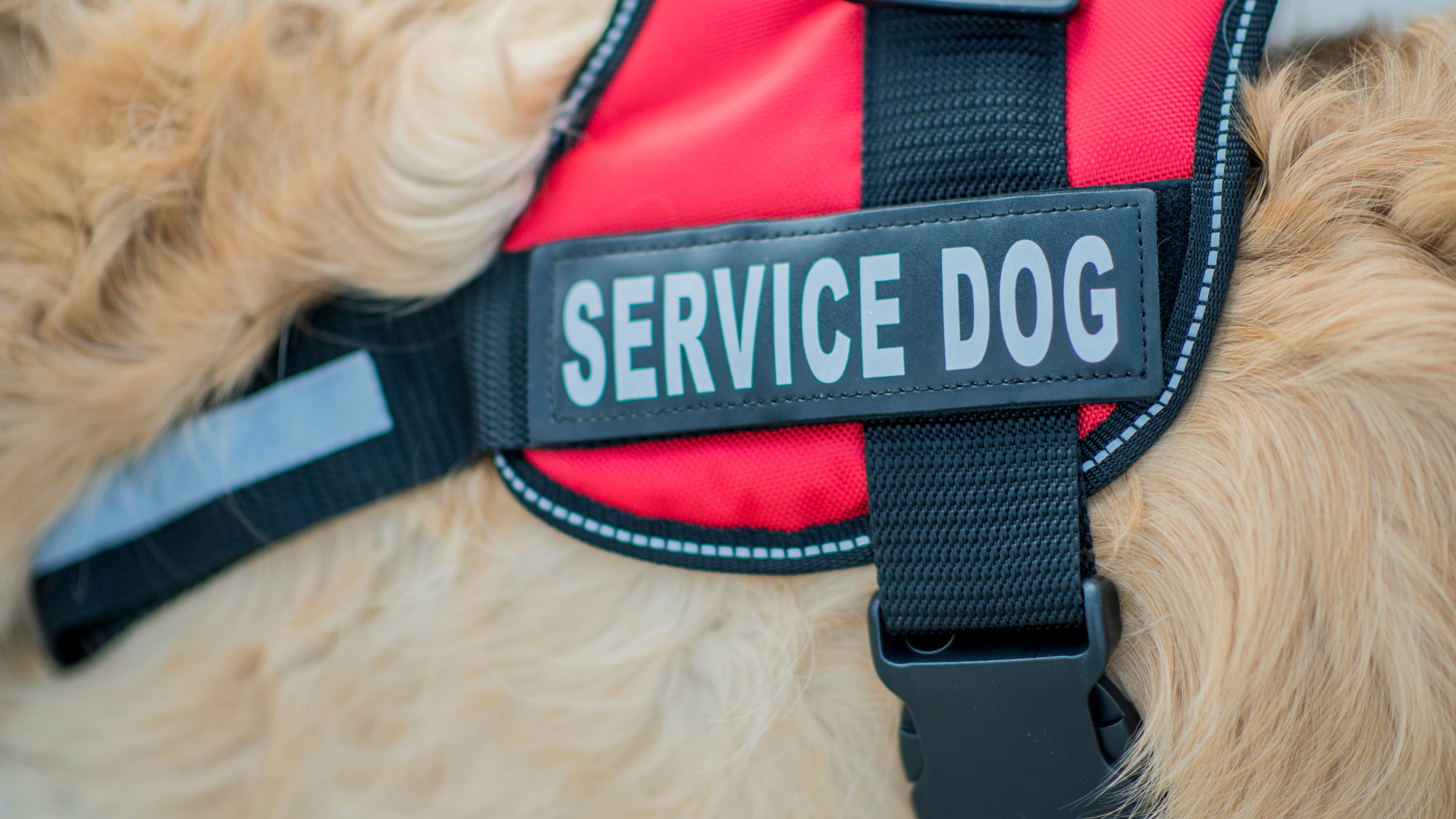
For many Veterans, the transition home from military service can bring challenges that are difficult to explain to others. Combat exposure, trauma, anxiety, depression, isolation, and PTSD can create emotional barriers that affect daily life, relationships, sleep, and overall well-being. While traditional therapy and medical support are critical parts of healing, many Veterans are discovering another powerful form of support — emotional support dogs.
At Veteran Pathways of New England, we understand healing does not always happen in a clinical setting. Sometimes healing begins with trust, companionship, and the quiet comfort of knowing you are not alone.
The Growing Role of Emotional Support Dogs for Veterans
Emotional support dogs provide companionship and emotional comfort for individuals facing mental health challenges. Unlike service dogs, emotional support dogs are not specifically trained to perform disability-related tasks. However, their impact on emotional wellness can still be profound.
For many Veterans, emotional support dogs help reduce feelings of isolation, provide structure and routine, encourage physical activity, and offer a calming presence during moments of stress or anxiety.
Research continues to show that dogs can positively affect mental health. Studies involving Veterans with PTSD found improvements in anxiety, depression, social interaction, and emotional regulation when paired with dogs.
Many Veterans describe their dogs as a grounding force — helping them feel safe in public spaces, interrupt anxious thoughts, encourage routines, and create opportunities for connection with others.
Emotional Support Dogs and PTSD
PTSD can affect every part of life. Hypervigilance, nightmares, panic attacks, emotional numbness, and difficulty reconnecting socially are common symptoms many Veterans experience after service.
Dogs naturally provide emotional regulation through physical companionship and consistency. The simple act of petting a dog has been shown to lower stress hormones and promote calming responses in the body.
Veterans living with PTSD often report that emotional support dogs help them:
- Feel less isolated
- Sleep more consistently
- Reduce anxiety in crowds
- Manage stress responses
- Rebuild emotional trust
- Stay active and engaged
- Feel a renewed sense of purpose
For some Veterans, emotional support dogs also create opportunities to reconnect with family and community. Walking a dog, attending training sessions, or simply interacting with others while out in public can slowly rebuild social confidence.
The Difference Between Emotional Support Dogs and Service Dogs
It is important to understand the distinction between emotional support dogs and service dogs.
Emotional Support Dogs
- Provide comfort and companionship
- Do not require specialized training
- Support emotional wellness
- May qualify for certain housing accommodations
Service Dogs
- Are individually trained for specific tasks
- Perform disability-related assistance
- Have legal public access protections under the ADA
- May assist with PTSD-specific interventions
Both types of dogs can positively impact Veterans’ lives. Research shows service dogs may offer additional PTSD symptom reduction, but emotional support dogs still provide meaningful emotional and psychological benefits.
Why Connection Matters for Veterans
One of the greatest challenges many Veterans face is loneliness. Military service creates deep bonds, structure, purpose, and community. Returning to civilian life can sometimes feel disconnected and isolating.
Dogs provide unconditional companionship without judgment or expectation. For Veterans struggling with trust, emotional withdrawal, or depression, that companionship can be life-changing.
The relationship between a Veteran and their dog often becomes more than support it becomes a partnership, routine, accountability, and emotional grounding.
At Veteran Pathways of New England, we recognize that healing is not one-size-fits-all. Emotional wellness programs, peer support, community engagement, and animal-assisted support all play an important role in helping Veterans rebuild stability and confidence.
Emotional Support Dogs and Women Veterans
Women Veterans often experience unique challenges related to military service, including military sexual trauma, PTSD, anxiety, and reintegration difficulties.
Research has shown strong links between social support and improved emotional outcomes for women Veterans living with PTSD. Emotional support dogs can provide comfort, security, emotional grounding, and companionship that helps reduce stress and improve emotional resilience.
Many women Veterans report feeling safer, more emotionally supported, and less isolated when paired with a dog.
The Importance of Routine and Responsibility
Another major benefit emotional support dogs provide is routine.
Veterans struggling with depression or PTSD may find daily tasks overwhelming. Caring for a dog creates structure:
- Morning walks
- Feeding schedules
- Exercise
- Outdoor activity
- Daily interaction
These routines encourage movement, consistency, and engagement — all of which support mental health recovery.
Dogs also help encourage physical activity, which has proven mental health benefits, including reduced anxiety and improved mood.
Community Support Matters
Healing is strongest when Veterans feel supported by a community that understands them.
At Veteran Pathways of New England, we believe emotional wellness is just as important as physical wellness. Veterans deserve access to compassionate support systems, peer connection, wellness programs, housing assistance, and resources that help them move forward with dignity and hope.
Emotional support dogs may not replace therapy or medical care, but for many Veterans, they become an important part of the healing journey.
Sometimes healing starts with a leash, a walk, and the feeling that someone is always by your side.
FAQs About Emotional Support Dogs for Veterans
Can Veterans get emotional support dogs for PTSD?
Yes. Many Veterans living with PTSD benefit from emotional support dogs because they provide companionship, emotional comfort, and anxiety reduction.
Are emotional support dogs the same as service dogs?
No. Service dogs are specially trained to perform tasks related to a disability, while emotional support dogs primarily provide comfort and companionship.
Can emotional support dogs help reduce anxiety?
Many Veterans report reduced anxiety, improved mood, better sleep, and decreased loneliness when paired with emotional support dogs.
Do emotional support dogs require certification?
There is no official federal certification for emotional support dogs, though housing accommodations may require documentation from a licensed mental health professional.
How do dogs help Veterans emotionally?
Dogs provide companionship, routine, grounding, emotional connection, and unconditional support that can positively impact mental wellness.
Are emotional support dogs beneficial for women Veterans?
Yes. Emotional support dogs can help women Veterans cope with PTSD, anxiety, stress, and feelings of isolation.






 Previous Post
 Next Post