 DONATE
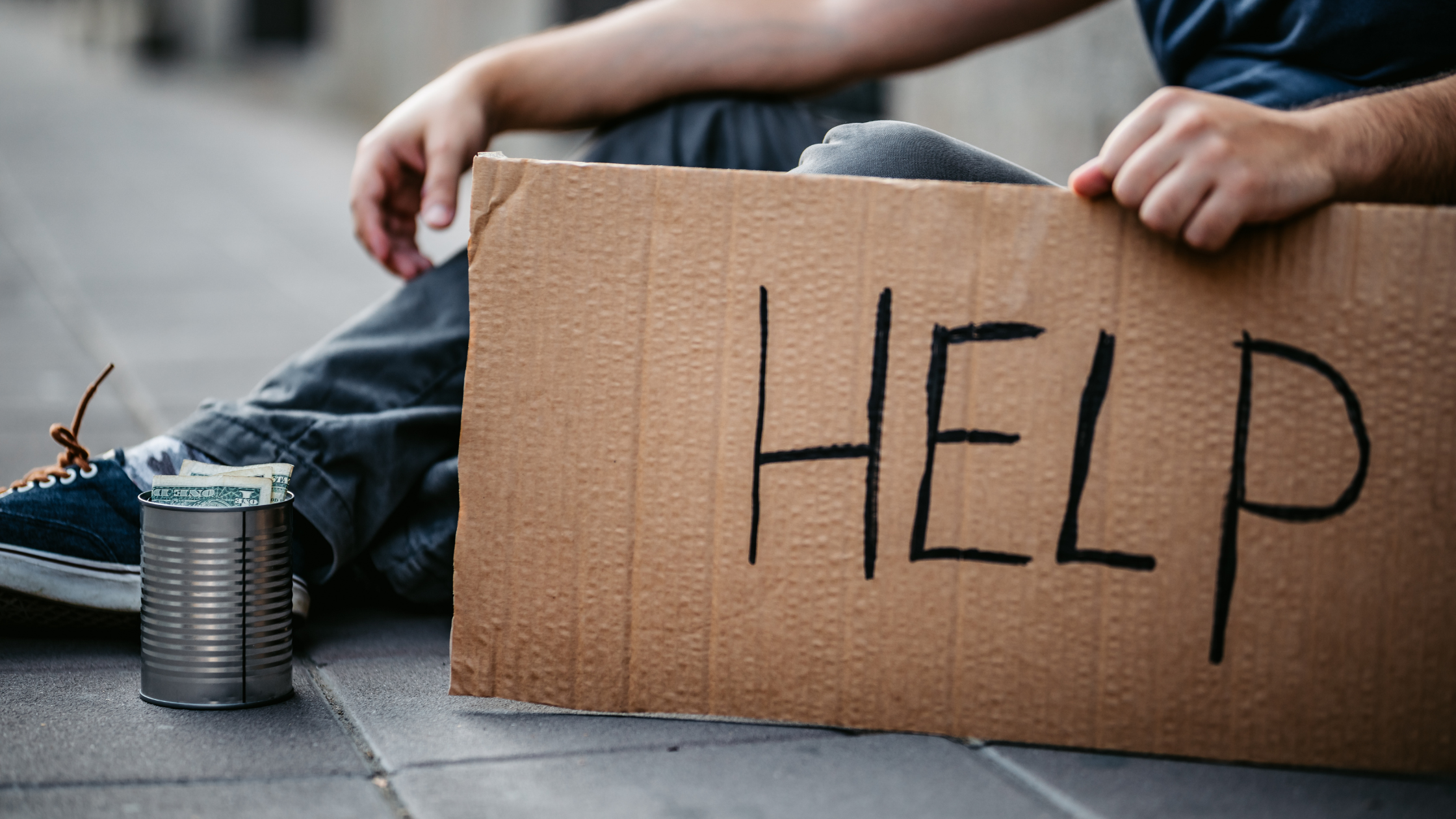
For many Veterans, returning home from military service should represent the beginning of stability, opportunity, and a fresh chapter in life. Yet across the United States, thousands of Veterans continue to face housing insecurity, homelessness, and financial hardship long after their service has ended.
The housing crisis facing Veterans is a complex issue connected to rising housing costs, mental health challenges, disability, employment instability, and limited access to affordable housing. While national efforts have helped reduce Veteran homelessness over the past decade, the need for housing support remains urgent in communities across the country.
At Veteran Pathways of New England (formerly Clear Path for Veterans New England), we believe safe and stable housing is more than simply having a roof overhead. Housing creates the foundation for healing, emotional wellness, dignity, family stability, and long-term success for Veterans and their loved ones.
Understanding the Housing Crisis Facing Veterans
Housing insecurity affects Veterans in many different ways.
For some, it means living without permanent shelter. For others, it may involve constant financial stress, unstable living conditions, or uncertainty about where they will stay next.
Veterans experiencing housing instability may face:
- Homelessness
- Risk of eviction
- Temporary housing instability
- Unsafe or overcrowded living conditions
- Financial hardship related to housing costs
- “Hidden homelessness” situations
Hidden homelessness often goes unnoticed because it does not always appear in official homelessness counts. Many Veterans may be temporarily staying with friends or family, sleeping in vehicles, moving between motel rooms, or couch surfing while trying to regain stability.
Although these situations may not meet traditional definitions of homelessness, they still create significant emotional, financial, and physical stress.
Housing instability affects nearly every area of life, including mental health, relationships, employment opportunities, and overall well-being.
Veteran Homelessness by the Numbers
According to the U.S. Department of Veterans Affairs, approximately 32,882 Veterans experienced homelessness during the 2024 Point-in-Time Count. While this remains a serious concern, it also reflects significant progress compared to previous years.
The VA reports that Veteran homelessness has declined by more than 55% since 2010 due to increased investments in housing programs, supportive services, and coordinated national efforts.
Despite this progress, thousands of Veterans still struggle with housing insecurity every year.
Affordable housing shortages, rising living costs, and gaps in accessible support services continue contributing to housing instability nationwide, especially for low-income individuals and families.
Why Veterans Are at Risk for Housing Instability
There is no single cause of Veteran homelessness or housing insecurity.
Instead, it is often the result of multiple challenges happening at the same time.
Some of the most common contributing factors include:
- Rising housing costs
- Limited affordable housing availability
- PTSD and mental health challenges
- Physical disabilities
- Employment instability or unemployment
- Substance use disorders
- Family breakdown or divorce
- Lack of social support systems
- Difficulty transitioning to civilian life
For many Veterans, even one unexpected crisis — such as a medical emergency, job loss, or financial hardship — can quickly lead to housing instability.
Veterans transitioning from military service may also struggle to navigate civilian systems related to employment, healthcare, housing, and financial assistance, especially without strong support networks.
The Connection Between Mental Health and Housing Stability
Mental health and housing are deeply connected.
Veterans coping with PTSD, depression, anxiety, trauma, or substance use challenges may struggle to maintain stable employment, manage finances, or sustain healthy relationships. Without proper support, those challenges can increase the risk of housing instability.
At the same time, housing insecurity can significantly worsen mental health conditions.
Living without stability often creates chronic stress, uncertainty, and emotional exhaustion. Veterans without safe housing may have difficulty accessing healthcare, attending therapy appointments, maintaining routines, or focusing on recovery.
This cycle can become incredibly difficult to break without comprehensive support systems.
That is why housing programs that include mental health support, case management, wellness services, and peer connection are so important for long-term success.
Why Stable Housing Matters for Veterans
Housing is about far more than shelter alone.
A safe and stable home provides the security and consistency many Veterans need to begin rebuilding their lives after difficult experiences.
Stable housing can support:
- Emotional wellness
- Physical health
- Family stability
- Employment opportunities
- Access to healthcare and treatment
- Improved daily routines
- Reduced stress and anxiety
- Greater independence and confidence
When Veterans have stable housing, they are more likely to engage with support services, maintain employment, strengthen relationships, and participate in their communities.
Housing creates the foundation needed for healing, growth, and long-term stability.
Housing Challenges in Rural Communities
Housing insecurity can look different in rural areas, including many communities across New England.
Rural Veterans often face additional barriers such as:
- Limited affordable housing options
- Transportation challenges
- Reduced access to healthcare services
- Fewer public assistance resources
- Greater distance from Veteran support programs
In many rural communities, affordable rental housing has become increasingly difficult to find, especially for low-income Veterans and families already facing financial stress.
Limited public transportation can also make it harder for Veterans to attend medical appointments, therapy sessions, employment interviews, or support programs.
These challenges can leave rural Veterans feeling isolated and disconnected from available resources.
Women Veterans and Housing Insecurity
Women Veterans are one of the fastest-growing populations experiencing homelessness and housing instability in the United States.
Many women Veterans face additional challenges connected to:
- Caregiving responsibilities
- Trauma histories
- Financial instability
- Domestic violence
- Limited women-specific housing resources
Women Veterans may also require trauma-informed environments and support services that address their unique experiences during and after military service.
Programs designed specifically for women Veterans can help create safer, more supportive pathways toward long-term housing stability and emotional wellness.
Housing Support Programs Make a Difference
Veteran-focused housing programs play a critical role in helping Veterans regain stability and avoid homelessness.
Support services may include:
- Emergency financial assistance
- Transitional housing
- Permanent supportive housing
- Rental assistance programs
- Case management services
- Employment support
- Mental health resources
- Wellness and peer support programs
Programs such as HUD-VASH and nonprofit housing initiatives continue helping Veterans access safe housing and long-term support services across the country.
These programs not only provide housing assistance but also help Veterans rebuild confidence, stability, and independence.
Community Support Is Part of the Solution
Ending Veteran homelessness requires more than government programs alone.
Communities, nonprofits, businesses, volunteers, and local organizations all play important roles in supporting Veterans facing housing insecurity.
Community support may include:
- Housing partnerships
- Volunteer efforts
- Donations and fundraising
- Employment opportunities
- Peer mentorship
- Wellness and community programs
- Public awareness and advocacy
Every Veteran deserves the dignity of having a safe place to call home.
Building Pathways Forward
At Veteran Pathways of New England, we believe every Veteran deserves stability, support, and opportunities to move forward after service.
The housing crisis facing Veterans is not simply about statistics. It is about real people, families, and communities.
When Veterans have access to safe and stable housing, they gain the foundation needed to heal, reconnect, rebuild confidence, and create hopeful futures.
No Veteran should have to face housing insecurity alone.
FAQs About the Housing Crisis Facing Veterans
How many Veterans experience homelessness in the United States?
According to the U.S. Department of Veterans Affairs, approximately 32,882 Veterans experienced homelessness during the 2024 Point-in-Time Count.
Why are Veterans at risk for homelessness?
Factors may include rising housing costs, PTSD, financial hardship, disability, unemployment, lack of affordable housing, and challenges transitioning to civilian life.
What is hidden homelessness?
Hidden homelessness refers to unstable living situations such as couch surfing, living in vehicles, or staying temporarily with friends or family.
Has Veteran homelessness improved?
Yes. Veteran homelessness has declined significantly since 2010 due to expanded housing support programs and coordinated national efforts.
Why is stable housing important for Veterans?
Stable housing supports emotional wellness, healthcare access, employment stability, family relationships, and long-term recovery.
How can communities support Veterans facing housing insecurity?
Communities can help through housing partnerships, volunteering, donations, employment opportunities, mentorship, and Veteran-focused support programs.






 Previous Post
 Next Post