 DONATE
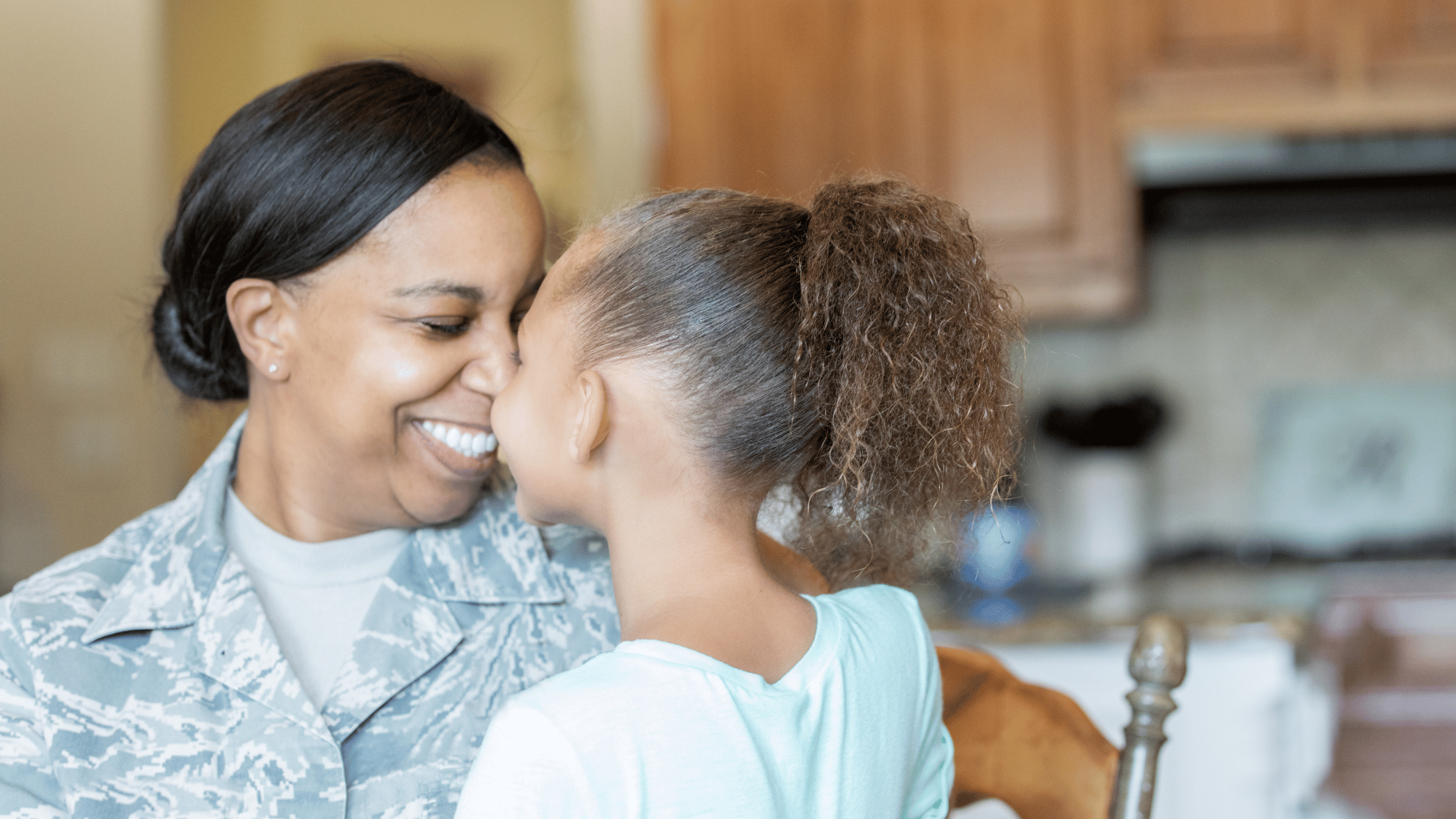
Women Veterans are one of the fastest-growing Veteran populations in the United States, yet many still feel overlooked when accessing Veteran services, healthcare, and support systems.
For decades, Veteran programs and services were largely designed around male Veterans because men made up the majority of military populations. Today, that landscape is changing. Women Veterans are stepping forward, sharing their experiences, and advocating for programs that better reflect their unique challenges and needs.
At Veteran Pathways of New England, we believe women Veterans deserve supportive, inclusive programming that recognizes their service, honors their experiences, and helps them build connection, healing, and long-term stability.
Women Veterans Are a Growing Community
Women continue to serve in every branch of the military and in increasingly diverse roles. As this population grows, the need for specialized women Veterans programming becomes more important than ever.
The U.S. Department of Veterans Affairs has expanded women-focused research and healthcare initiatives because women Veterans often experience different health concerns, reintegration challenges, and trauma histories than their male counterparts.
Despite this progress, many women Veterans still report:
- Feeling invisible in Veteran spaces
- Difficulty accessing gender-specific care
- Challenges finding peer connection
- Mental health barriers
- Lack of awareness about available resources
Why Women Veterans Programming Matters
Specialized programming creates spaces where women Veterans feel understood, respected, and supported.
Women Veterans programming may include:
- Peer support groups
- Wellness programs
- Mental health services
- Trauma-informed care
- Family support
- Career development
- Housing assistance
- Community events
Programs specifically designed for women Veterans often foster stronger emotional safety and connection, especially for those coping with PTSD, military sexual trauma, or isolation.
The Mental Health Needs of Women Veterans
Women Veterans experience PTSD at higher rates than male Veterans. According to the VA, approximately 13% of women Veterans experience PTSD during their lifetime.
Some women Veterans may also face:
- Anxiety
- Depression
- Military sexual trauma
- Caregiver stress
- Reintegration difficulties
- Social isolation
Women-centered programs can help create supportive environments where healing feels more approachable and less intimidating.
Research shows many women Veterans value women-only healthcare spaces and peer support opportunities.
Women Veterans Often Balance Multiple Roles
Many women Veterans are also mothers, caregivers, professionals, spouses, or community leaders. Balancing those responsibilities while navigating transition challenges can feel overwhelming.
Programs that acknowledge the realities of women’s lives create more meaningful support systems.
Flexible programming, childcare considerations, family-inclusive activities, and supportive peer networks can all help women Veterans remain engaged and connected.
Connection and Community Are Critical
Isolation is one of the biggest challenges many Veterans face after military service.
Women Veterans sometimes report feeling disconnected from traditional Veteran spaces because they may not see themselves represented or understood.
Community-based women Veterans programming helps create:
- Belonging
- Emotional safety
- Shared understanding
- Peer mentorship
- Friendship
- Encouragement
Connection matters because healing often begins with knowing someone else understands your journey.
Trauma-Informed Support Matters
Many women Veterans have experienced trauma during military service, including combat trauma and military sexual trauma.
Trauma-informed programming recognizes the emotional impact of those experiences and creates supportive environments built around trust, empowerment, and emotional safety.
Women Veterans deserve spaces where they can access support without fear of judgment or dismissal.
Women Veterans Are Leaders
Women Veterans bring extraordinary leadership skills, resilience, adaptability, and life experience into their communities.
Programs that support education, career development, mentorship, entrepreneurship, and leadership opportunities help women Veterans continue thriving after service.
Veteran communities grow stronger when women Veterans are empowered to lead, mentor, and support others.
Building Inclusive Veteran Communities
Inclusive Veteran support means recognizing that Veterans are not all the same.
Effective Veteran programming should acknowledge differences in:
- Service experiences
- Family dynamics
- Mental health needs
- Healthcare needs
- Reintegration challenges
- Community support preferences
Women Veterans deserve to feel seen, valued, and included within the larger Veteran community.
The Future of Women Veterans Programming
As the population of women Veterans continues to grow, organizations must continue evolving their services and support systems.
This includes:
- Expanding women-specific programming
- Increasing awareness
- Providing trauma-informed care
- Building peer communities
- Offering leadership opportunities
- Improving healthcare accessibility
At Veteran Pathways of New England, we believe supporting women Veterans strengthens the entire Veteran community.
FAQs About Women Veterans Programming
Why is women Veterans programming important?
Women Veterans often experience unique challenges that require specialized support, healthcare, peer connection, and trauma-informed services.
Do women Veterans experience PTSD differently?
Women Veterans experience PTSD at higher rates and may face different trauma-related experiences, including military sexual trauma.
What types of programs benefit women Veterans?
Peer support groups, wellness programs, career development, mental health services, and community-based activities are all valuable.
Why do some women Veterans avoid traditional Veteran spaces?
Some women Veterans report feeling overlooked or underrepresented in traditional Veteran programs.
What is trauma-informed programming?
Trauma-informed programming creates emotionally safe environments that recognize the impact of trauma and prioritize trust and empowerment.
How can communities better support women Veterans?
Communities can support women Veterans by creating inclusive programs, increasing awareness, and expanding access to supportive resources.






 Previous Post
 Next Post