 DONATE
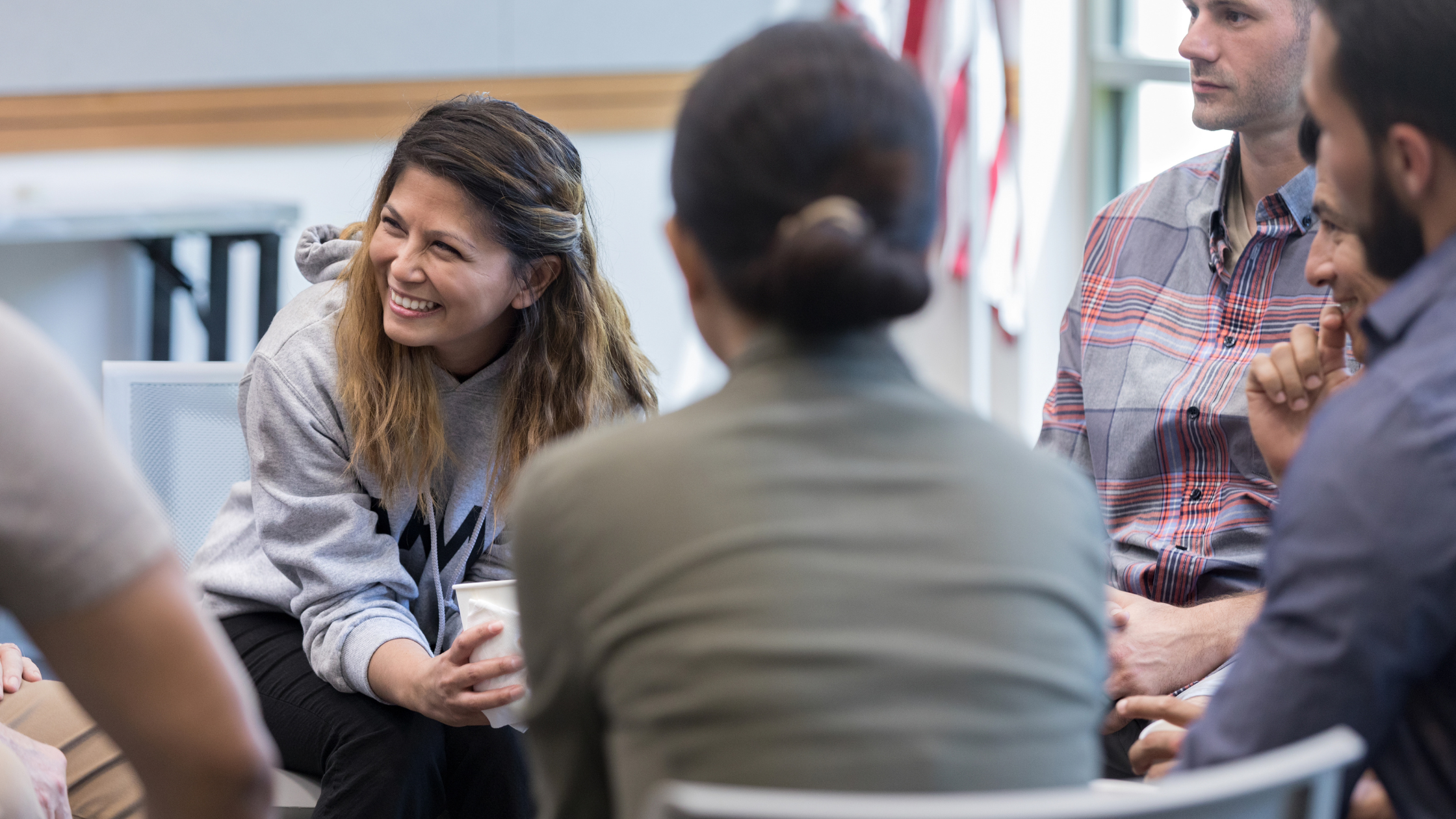
Community connection for Veterans plays a critical role in emotional wellness, healing, and successful reintegration after military service. For many Veterans, military life created strong bonds, shared purpose, and built-in support systems that can feel difficult to replace after service ends. Without meaningful connection and community support, many Veterans experience isolation, loneliness, and challenges reconnecting to civilian life.
At Veteran Pathways of New England (formerly Clear Path for Veterans New England), we believe healing does not happen in isolation. Veterans need more than resources and programs. They need connection, belonging, understanding, and a community that reminds them they are not alone.
The Lasting Impact of Isolation on Veterans
Military life is built around teamwork and accountability. Veterans are surrounded by people who understand military culture, routines, sacrifices, and experiences without needing explanation.
After separation from service, that support system can disappear almost overnight.
Many Veterans struggle with feelings of:
- Isolation
- Loneliness
- Loss of identity
- Anxiety
- Depression
- Difficulty reconnecting socially
These challenges often extend beyond emotional wellness. Isolation can affect relationships, employment, housing stability, motivation, and overall quality of life.
Human connection is not simply about having people around. It plays a major role in emotional and physical well-being. Studies consistently show that social support improves mental health outcomes and strengthens resilience among Veterans coping with trauma, PTSD, and reintegration challenges.
When Veterans feel disconnected, they are often less likely to seek help or participate in supportive programs. Many feel civilians cannot fully understand their experiences, which can increase emotional withdrawal over time.
But when Veterans feel seen, valued, and understood, meaningful change can happen.
Connection encourages Veterans to engage with support systems, rebuild confidence, strengthen relationships, and begin moving forward again.
The Power of Peer Support
One of the most effective forms of support for Veterans is connection with other Veterans.
Shared military experience creates a level of trust and understanding that is difficult to replicate elsewhere. Veterans often feel more comfortable opening up to peers who understand military culture, deployment experiences, transitions, and struggles firsthand.
Peer support creates opportunities for honest conversations without fear of judgment.
Programs centered around Veteran-to-Veteran support can help:
- Reduce stigma around mental health
- Improve emotional wellness
- Encourage participation in services
- Build trust and accountability
- Reduce feelings of loneliness and isolation
For many Veterans, simply knowing someone else understands what they are going through can make an enormous difference.
Rebuilding Purpose After Military Service
Many Veterans also struggle with the loss of purpose that can happen after leaving the military.
Military service provides clear missions, responsibilities, routines, and goals. Once that structure is gone, Veterans may feel uncertain about where they belong or what comes next.
That loss of direction can impact emotional health and self-confidence.
Community programs that encourage Veterans to volunteer, mentor others, participate in wellness activities, or support fellow Veterans can help rebuild that sense of purpose.
Purpose-driven connection helps Veterans:
- Regain confidence
- Strengthen leadership skills
- Reconnect with community
- Improve emotional health
- Feel valued and needed again
At Veteran Pathways of New England, we believe every Veteran deserves opportunities to rediscover purpose, connection, and hope.
Connection Plays a Role in Suicide Prevention
Veteran suicide prevention is often discussed in terms of crisis response, but prevention also begins with connection and belonging.
Veterans who feel isolated are at greater risk for emotional distress, depression, and worsening mental health challenges. Supportive relationships and strong community ties can help reduce that risk by creating environments where Veterans feel supported and understood.
Sometimes the smallest moments of connection can have the biggest impact:
- A conversation with another Veteran
- A shared meal
- A support group
- A wellness activity
- A volunteer opportunity
- A community event
- A mentoring relationship
These moments remind Veterans that they matter and that support is available.
Supporting Women Veterans Through Community
Women Veterans often face unique challenges when seeking support and connection. Many report feeling overlooked or disconnected from traditional Veteran spaces and services.
Programs designed specifically for women Veterans can create more comfortable and supportive environments where healing and connection happen naturally.
Strong support systems can help women Veterans navigate challenges related to:
- PTSD
- Anxiety and depression
- Military sexual trauma
- Family reintegration
- Social isolation
Creating inclusive spaces where women Veterans feel understood and welcomed is an important part of long-term wellness and recovery.
Connection Looks Different for Every Veteran
Not every Veteran connects in the same way, and that is okay.
For some, connection happens through peer support groups or mentorship programs. Others may find community through outdoor recreation, wellness activities, volunteer work, educational opportunities, service animals, or family-centered events.
What matters most is creating spaces where Veterans feel respected, welcomed, and supported.
At Veteran Pathways of New England, we are committed to building those spaces and helping Veterans reconnect with community, purpose, and one another.
No Veteran should have to walk the path forward alone.
FAQs About Connection and Veterans
Why is connection important for Veterans?
Connection helps reduce isolation, improve emotional wellness, strengthen support systems, and encourage recovery and reintegration after military service.
Can social isolation affect Veteran mental health?
Yes. Isolation can worsen PTSD symptoms, anxiety, depression, and emotional distress. Strong social support can improve emotional resilience and overall well-being.
What is peer support for Veterans?
Peer support connects Veterans with other Veterans who understand military experiences and can offer guidance, encouragement, and emotional support.
Why do many Veterans struggle after leaving the military?
Many Veterans experience a loss of structure, purpose, identity, and community after military service, which can make civilian life feel isolating and overwhelming.
How can communities better support Veterans?
Communities can support Veterans by creating inclusive programs, offering peer support opportunities, providing wellness resources, encouraging volunteerism, and building spaces where Veterans feel welcomed and valued.
How does connection support healing?
Supportive relationships help Veterans feel understood, respected, and emotionally supported, which can improve mental health, confidence, and recovery outcome






 Previous Post
 Next Post